

Share This Article
Last Updated: October 8, 2026
Core Technologies Found in a Gold Tester Machine
Verifying the authenticity and purity of precious metals requires specialized instrumentation. Over the years, inspection equipment has evolved from destructive chemical acid tests to sophisticated electronic and optical systems. Understanding the underlying technology of a modern gold tester machine helps buyers choose equipment that aligns with their precision requirements and budget constraints.
Electronic density meters rely on the principle of water displacement, also known as Archimedes’ principle. These devices combine a high-precision digital weighing scale with a submerged water tank. By weighing an item in the air and then weighing it suspended in liquid, the machine calculates specific gravity. Because different alloys possess distinct densities, the device can estimate the karat value without damaging the sample. However, hollow items or pieces containing heavy core metal inserts can sometimes yield misleading results if the operator relies solely on density calculations.
Electrical conductivity and resistance testers evaluate how electricity moves through a piece of metal. Pens or probes connected to a central processing unit measure surface resistance or utilize electrochemical reactions. These electronic tools are typically designed to detect surface plating or under-alloying quickly. While they are portable and affordable, they generally only test the outer layer of a piece unless a minor filing exposes the underlying metal.
Advanced facilities often utilize X-ray fluorescence (XRF) spectrometers. These non-destructive analytical instruments bombard the sample with X-rays, causing the atoms to emit secondary fluorescent X-rays characteristic of their specific elements. An advanced gold tester machine provides a detailed elemental breakdown in percentage or parts-per-million formats, identifying gold, silver, platinum, copper, zinc, and nickel simultaneously. Although highly accurate and completely non-destructive, XRF devices represent a significant financial investment and require careful calibration.
Comparison of Precious Metal Analysis Methods
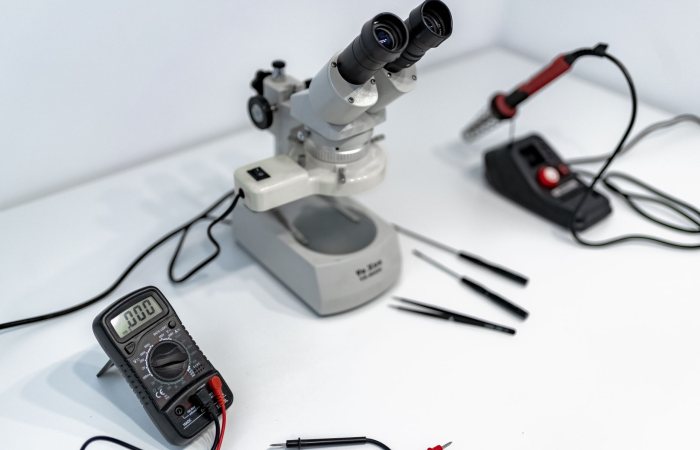
Selecting the right hardware depends on whether you run a retail jewelry shop, a pawn brokerage, a recycling business, or an independent collection hobby. Each technology offers distinct trade-offs regarding cost, surface penetration, and speed.
| Testing Technology | Primary Method | Surface vs. Deep Analysis | Typical Use Case |
|---|---|---|---|
| Density & Specific Gravity Scale | Water displacement and mass calculation | Bulk measurement (vulnerable to hollow centers) | Pawn shops and scrap gold buying |
| Electronic Conductivity Pen / Probe | Electrical resistance or electrochemical reaction | Surface-level assessment | Rapid field sorting and retail checks |
| XRF Spectrometer | X-ray fluorescence elemental breakdown | Penetrates up to tens of microns | Refineries, major jewelers, and assay labs |
As shown in the comparison above, no single device solves every verification challenge universally. Operators must often combine visual hallmarks, magnetic checks, and instrumental readings to form a complete assessment.
Selection Framework and Operational Best Practices

Before purchasing any precious metal analysis equipment, establish a clear evaluation workflow. Consider the following practical checklist to guide your decision-making process:
- Volume of Items: High-volume processing centers benefit from automated, rapid screening tools, whereas casual collectors may only require a basic electronic probe or scale.
- Item Variety: If you frequently handle scrap jewelry, coins, and bullion bars of diverse shapes, ensure the chosen equipment accommodates irregular geometries.
- Destructive vs. Non-Destructive: Determine if surface filing is acceptable for your workflow or if you require strictly non-destructive analysis.
- Calibration and Maintenance: Review manufacturer guidelines regarding routine calibration, replacement solutions, and probe tip wear.
When operating any testing device, environmental factors matter. Stable work surfaces devoid of strong vibrations ensure that precision scales register accurate weights. Furthermore, users should clean samples to remove dirt, oils, or heavy residues that might skew electronic or optical readings. Always consult official manufacturer documentation for your specific model to understand software updates, safe handling limits, and power requirements.
Frequently Asked Questions
Can a gold tester machine identify gold plating?
Standard density testers and basic probes measure specific properties of an object. If a thick layer of gold covers a base metal core of vastly different density, the overall reading may fall outside expected parameters, but thin gold plating over tungsten or lead can sometimes mimic standard values. Secondary verification is always recommended.
Do electronic testers require consumables?
Many conductivity pens and electrochemical testers utilize replaceable testing solution gels, barrier pads, or probe tips that wear down over time with regular friction and chemical exposure.
How often should an XRF analyzer be calibrated?
Calibration schedules vary by manufacturer and operational intensity. Most systems feature built-in diagnostic routines and require standard reference coins or certified calibration disks to verify analytical accuracy periodically.
Conclusion
Investing in the right equipment safeguards your business against counterfeit items and helps build lasting trust with your clientele. Whether you opt for a budget-friendly scale or a high-end XRF gold tester machine, always pair your instrumental results with visual inspections and hallmark verifications to ensure absolute accuracy.
Related Guides
Explore more useful resources related to this topic:
- Navigating Unknown Web Domains Safely: A Guide to Platforms Like Nasyonal Com
- Choosing and Evaluating an ILM Motorcycle Helmet: A Practical Guide for Riders
- A Complete Guide to Spacetypegenerator for Kinetic Typography
- Understanding duck.theducklair: Platform Overview, Safety Checks and Best Practices