

Share This Article
Introduction to ILM Motorcycle Helmet Options
Finding the right head protection is essential for every rider navigating city streets or tackling open highways. Among the diverse array of gear brands available today, the ilm motorcycle helmet lineup has gained visibility for offering various styles ranging from modular to full-face configurations. When evaluating protective gear, understanding how different designs match your specific riding style ensures a balance of comfort, utility, and baseline safety compliance.
This overview examines what riders should consider when looking at these products, breaking down core features, certification considerations, and practical evaluation steps without relying on unverified claims or marketing hype.
Understanding ILM Helmet Options and Safety Standards
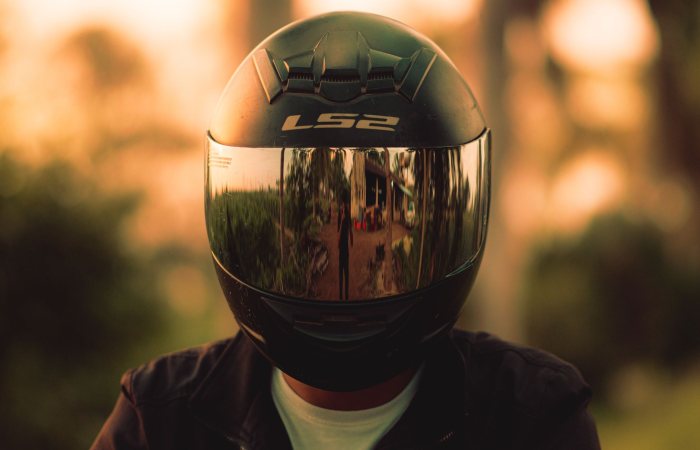
Safety certifications serve as the primary baseline when selecting any piece of protective equipment. Regulatory standards indicate that a helmet has passed specific impact-absorption, retention system, and penetration tests. Buyers often encounter terms like DOT (Department of Transportation) or ECE ratings.
When considering an ilm motorcycle helmet, it is vital to verify the exact certification label attached to the physical product rather than relying solely on general product descriptions. Different shell materials—ranging from advanced composite carbon fibers to standard thermoplastic polymers—influence both the weight distribution and the price point of the equipment.
The brand typically categorises its offerings into several distinct styles:
- Full-Face Models: Provide comprehensive coverage around the jaw and lower chin, preferred for highway riding and maximum impact distribution.
- Modular (Flip-Up) Models: Feature a hinged chin bar that allows riders to converse or get fresh air without removing the entire structure.
- Open-Face and Retro Variants: Offer a classic aesthetic and wider field of vision, though they leave the chin area exposed.
- Off-Road and Dirt Bike Styles: Designed with extended visors and peak vents suited for lower-speed, high-exertion dirt tracks and trails.
Core Features to Evaluate Before Purchasing

Beyond baseline safety ratings, daily usability depends heavily on integrated features. Comfort, ventilation, visor systems, and sizing accuracy dictate whether a product remains wearable during long journeys.
Many models incorporate dual-visor systems, featuring a clear main shield alongside a drop-down internal sun visor. While convenient for shifting daylight conditions, users should check the optical clarity and ease of operating the side switches with riding gloves on.
| Helmet Type | Primary Use Case | Key Advantage | Notable Limitation |
|---|---|---|---|
| Full-Face | Highway & Commuter Riding | Maximum structural protection and aerodynamics | Less ventilation flexibility in slow traffic |
| Modular | Touring & Urban Commuting | Convenient flip-up chin bar for breaks | Slightly heavier due to mechanical hinges |
| Retro Open-Face | Cruiser & Casual City Riding | Wide peripheral view and vintage aesthetic | Reduced lower-face impact protection |
Ventilation channels also merit close inspection. Intake and exhaust ports must allow sufficient airflow to prevent visor fogging during cold or wet weather conditions. Some models offer Pinlock-compatible shields, which help maintain clear vision by mitigating condensation buildup.
Helmet Selection Framework and Maintenance Tips
A structured approach helps narrow down choices effectively. Follow this simple checklist to guide your evaluation process:
- Measure Your Head: Use a flexible tape measure around the circumference just above your eyebrows and ears to match official manufacturer sizing charts.
- Check Certifications: Confirm that the specific model carries recognized safety labels applicable to your region.
- Assess Retention Systems: Ensure the chin strap and quick-release or D-ring buckles secure firmly without pinching.
- Evaluate Weight and Balance: Check if the centre of gravity strains your neck muscles during static fittings.
Once you acquire an ilm motorcycle helmet, proper maintenance extends its operational lifespan. Clean the outer shell and visor using mild soap and microfiber cloths to avoid scratching delicate anti-scratch coatings. Removable inner liners should be washed periodically according to care instructions.
Frequently Asked Questions
Are these products approved for legal road use?
Compliance depends entirely on the specific model and regional regulations. Always look for official safety certification stamps, such as DOT or ECE, stamped on the back or inner lining of the physical unit.
How do I determine the correct size?
Consult the official sizing chart provided by the manufacturer. A properly fitted helmet should feel snug around your entire head without creating painful pressure points.
Can I replace the visor with a tinted shield?
Many models support replacement shields, but you must ensure the replacement part is specifically engineered for your exact ilm motorcycle helmet model to maintain a proper weather seal.
Conclusion
Choosing appropriate headgear requires careful balancing of safety certifications, comfort features, and intended riding conditions. By taking precise head measurements, verifying physical safety labels, and matching the right ilm motorcycle helmet to your daily routes, you can make an informed decision that prioritises your well-being on the road.
Related Guides
Explore more useful resources related to this topic: