

Share This Article
Automotive enthusiasts and technicians often explore specialised engineering firms to enhance vehicle durability, fuel delivery, and overall engine output. One such entity frequently researched online is spe motorsports, a brand known for designing replacement and performance upgrades tailored to specific modern truck and car platforms. Understanding how these specialised components integrate into standard factory systems requires careful technical evaluation, adherence to manufacturer guidelines, and rigorous verification of vehicle compatibility.
When evaluating aftermarket components, distinguishing between aesthetic enhancements and critical functional upgrades is essential. High-performance systems typically focus on thermal management, fuel pressure stability, and structural reinforcement. Below, we examine the primary categories of vehicle enhancements offered by engineering specialists and how technicians approach installation decisions.
Automotive Engineering Overview
Specialised performance shops generally focus on targeted platforms, such as heavy-duty diesel engines and late-model sports cars. For instance, common mechanical upgrades involve fuel system conversions, upgraded oil pan gaskets, intake manifolds, and turbocharger piping kits. The core objective of these parts is to address known factory limitations under high-stress conditions.
When researching spe motorsports components, engineers and vehicle owners typically look at material specifications, fabrication methods, and regulatory compliance. It is important to note that aftermarket hardware may alter emissions equipment, factory warranties, or vehicle operating profiles. Buyers must review official documentation directly through authorised distributor portals or the official manufacturer website to verify exact model-year fitment before purchasing.
Performance Parts Comparison
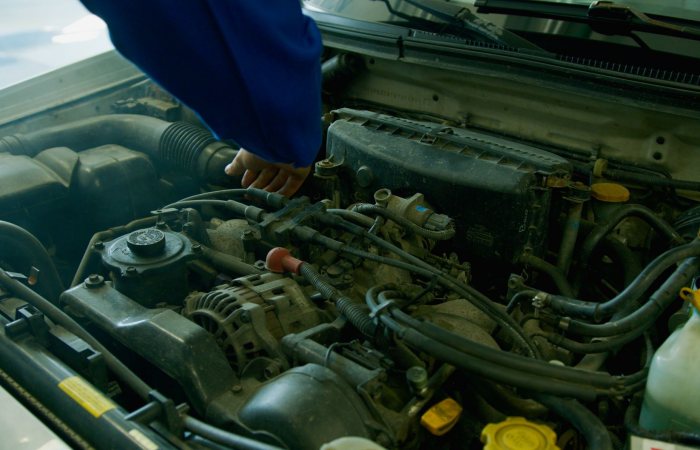
Choosing the right mechanical upgrade depends on the intended vehicle use, whether for daily driving, towing heavy loads, or track events. The table below outlines common categories of performance hardware, their primary functions, and general operational considerations.
| Component Category | Primary Function | Operational Consideration |
|---|---|---|
| Fuel System Upgrades | Ensures stable fuel delivery and pressure under heavy loads. | Requires precise calibration and compatible fuel lines. |
| Thermal Management Kits | Improves cooling capacity for fluids and intake air. | Must fit within factory space constraints without obstruction. |
| Structural Reinforcement | Replaces vulnerable factory seals or brackets with robust alternatives. | Requires correct torque specifications during assembly. |
As detailed in the comparison, each mechanical intervention carries specific trade-offs regarding installation complexity and maintenance intervals. Verifying part numbers and consulting professional technicians helps mitigate risks associated with incorrect component selection.
Verification and Safety Checklist

Before purchasing or installing specialised vehicle hardware, a structured verification process helps ensure safety, compatibility, and compliance. Adhering to a checklist minimises the likelihood of mechanical failure or improper installation.
- Official Source Verification: Always acquire parts directly from authorised channels or the official spe motorsports online catalogue to avoid counterfeit or substandard hardware.
- Model-Year Compatibility: Cross-reference engine codes, transmission types, and vehicle production dates, as minor mid-cycle refreshes can change mounting points.
- Regulatory Compliance: Check local vehicle inspection laws and emissions regulations, as certain performance modifications may affect street legality.
- Installation Documentation: Review official manuals or guide sheets provided by the manufacturer before attempting mechanical disassembly.
- Post-Installation Monitoring: Monitor fluid levels, temperatures, and diagnostic trouble codes closely during initial test runs after any major hardware upgrade.
Frequently Asked Questions
What types of vehicles are targeted by spe motorsports components?
The product ecosystem primarily focuses on late-model diesel pickup trucks, particularly Powerstroke platforms, alongside select modern high-performance Ford sports car platforms.
Are aftermarket performance parts street legal everywhere?
Legality varies significantly by jurisdiction. Parts that alter emissions equipment or factory engine management systems may be restricted to off-road or competition use depending on regional laws.
How can I verify if a part fits my specific vehicle trim?
Review the exact VIN or engine code specifications provided on the official manufacturer product page, as subtle engineering changes between production years can impact hardware compatibility.
In conclusion, navigating the world of specialised automotive hardware involves balancing performance aspirations with technical precision. By relying on verified documentation, adhering to strict compatibility checks, and assessing regulatory requirements, vehicle owners can make informed decisions regarding upgrades from brands like spe motorsports while maintaining vehicle reliability and safety.
Related Guides
Explore more useful resources related to this topic: